Ten things to know about a very strong El Niño, from the scientists on the La Jolla bluff
In a briefing published Tuesday, Scripps Institution of Oceanography gathered its climate scientists, oceanographers and biologists on the Pacific warming event now building: record warm water already off San Diego, sea levels at Scripps Pier running about a foot above normal, stressed kelp, and a winter whose rain is likely but not promised.
LA JOLLA: The tropical Pacific is running hot enough that UC San Diego's Scripps Institution of Oceanography has published a ten-point briefing on the El Niño now building, an event its scientists expect to rank among the strongest ever recorded. The briefing, published Tuesday and written by Lauren Fimbres Wood, collects the institution's climate researchers, oceanographers and biologists on what the warming means worldwide and on this coast.
El Niño begins when sea surface temperatures across the central and eastern tropical Pacific hold above normal over consecutive overlapping seasons. NOAA declares one at half a degree Celsius above average. The current event is far past that line. In its diagnostic discussion of October 8, NOAA's Climate Prediction Center reported temperature anomalies of more than four degrees Celsius above normal in portions of the eastern equatorial Pacific, put the closely watched Niño-3.4 index at 2.1 degrees above average, and concluded that a strong-to-very strong event is likely through January to March 2027, at odds it places above 83 percent.
Record water, already here
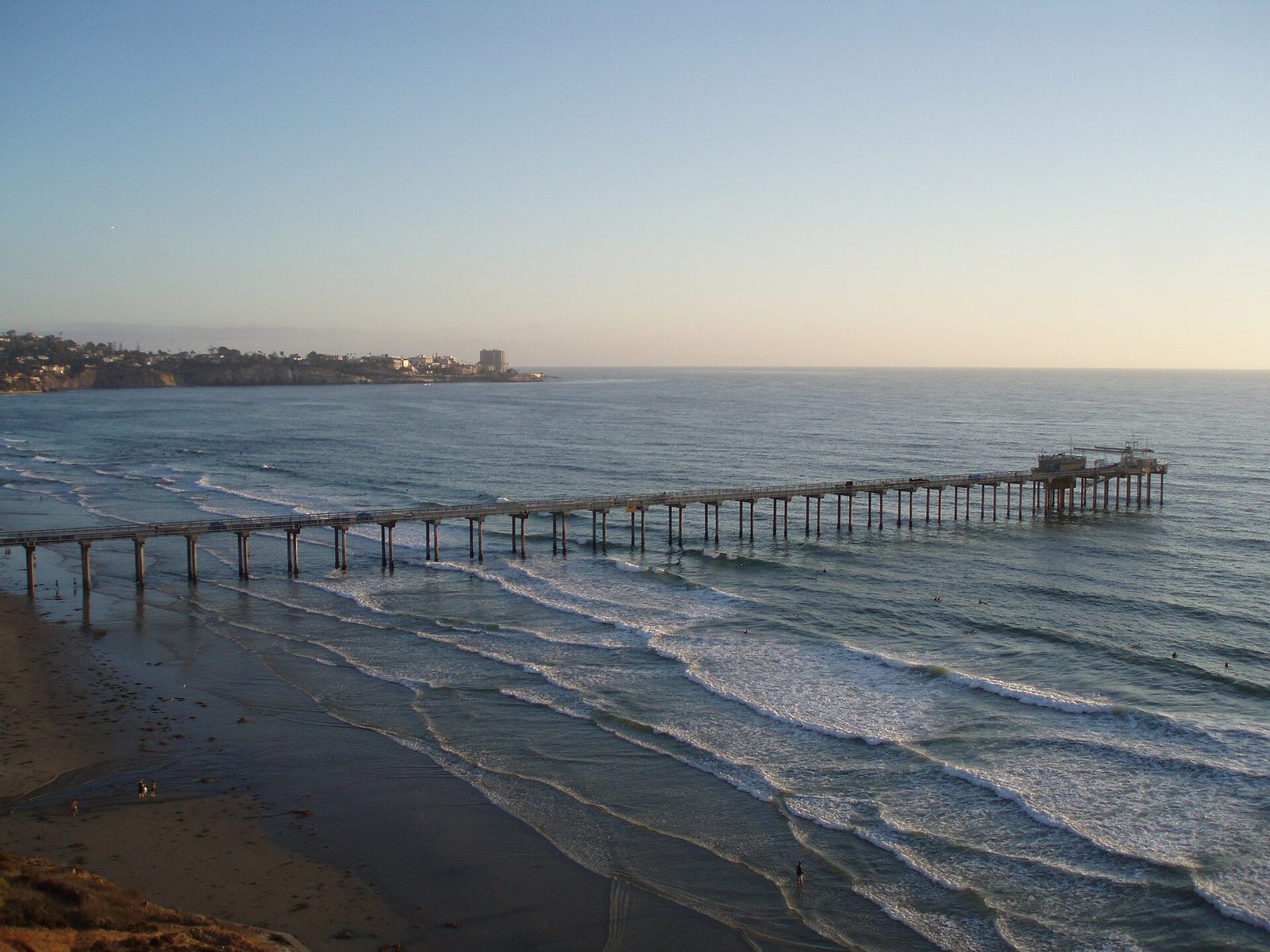
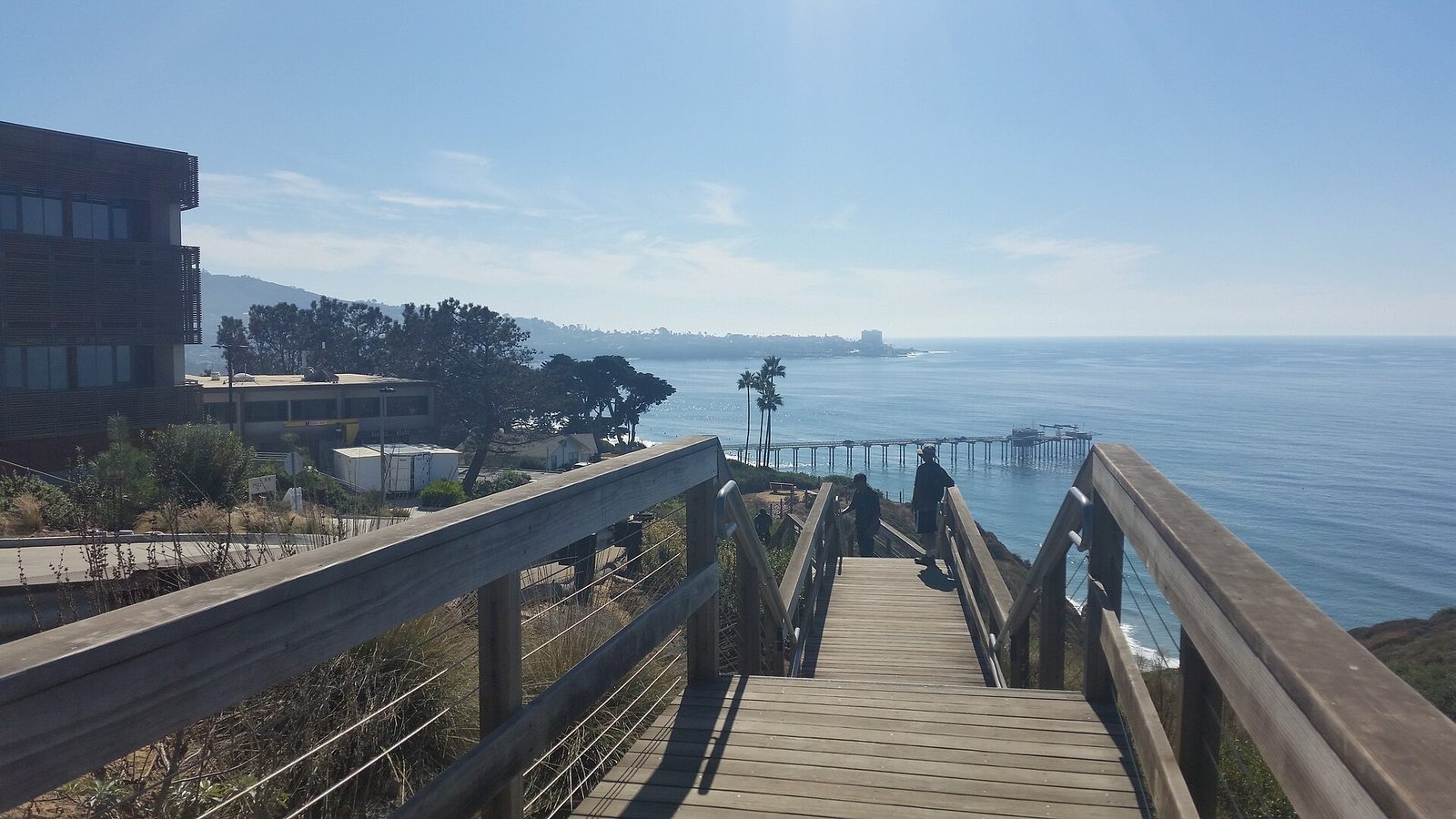
The briefing stresses that San Diego is not waiting for the effects. A marine heat wave has been sitting off this coast all year: a Coastal Data Information Program buoy near Torrey Pines has set a new daily sea surface temperature record on more than 80 separate days this year, the Shore Stations Program at Scripps Pier has counted 53 record daily highs across more than a century of record-keeping, and the institution's spray gliders are measuring the warmest offshore water in 20 years of observations. Scripps climate scientist Alexander Gershunov said that with the boost El Niño gives global temperatures, a new worldwide heat record this year is "almost certain."
A foot of extra water on the gauge
Strong events can push sea level along the California coast 15 to more than 30 centimeters above normal, roughly six inches to more than a foot, and the pileup is already measurable in La Jolla. In September, the tide gauge at the pier logged the highest monthly average sea level it has ever measured. Coastal geomorphologist Adam Young put current levels at "about a foot higher than normal" and noted the event is already having impacts on the coastline. The briefing flags the compounding risk: winter storm erosion does its worst when storm surf lands on the season's highest tides, which arrive in late October, November and December, and again in January and February.
Rain, likely and not promised
For San Diego, the open question is rain, and the briefing is careful with it. Julie Kalansky of the institution's climate research partnership said an El Niño declaration does not guarantee a wet, stormy winter here, but "does stack the deck in that direction." The two strongest recent events, 1982-83 and 1997-98, delivered some of the stormiest and wettest winters in the local record, while 2015-16 was strong and still drier than average. The stakes are not symmetrical: a Scripps study of 40 years of California records found El Niño winters produced roughly tenfold the flood damage of La Niña winters across Southern California.
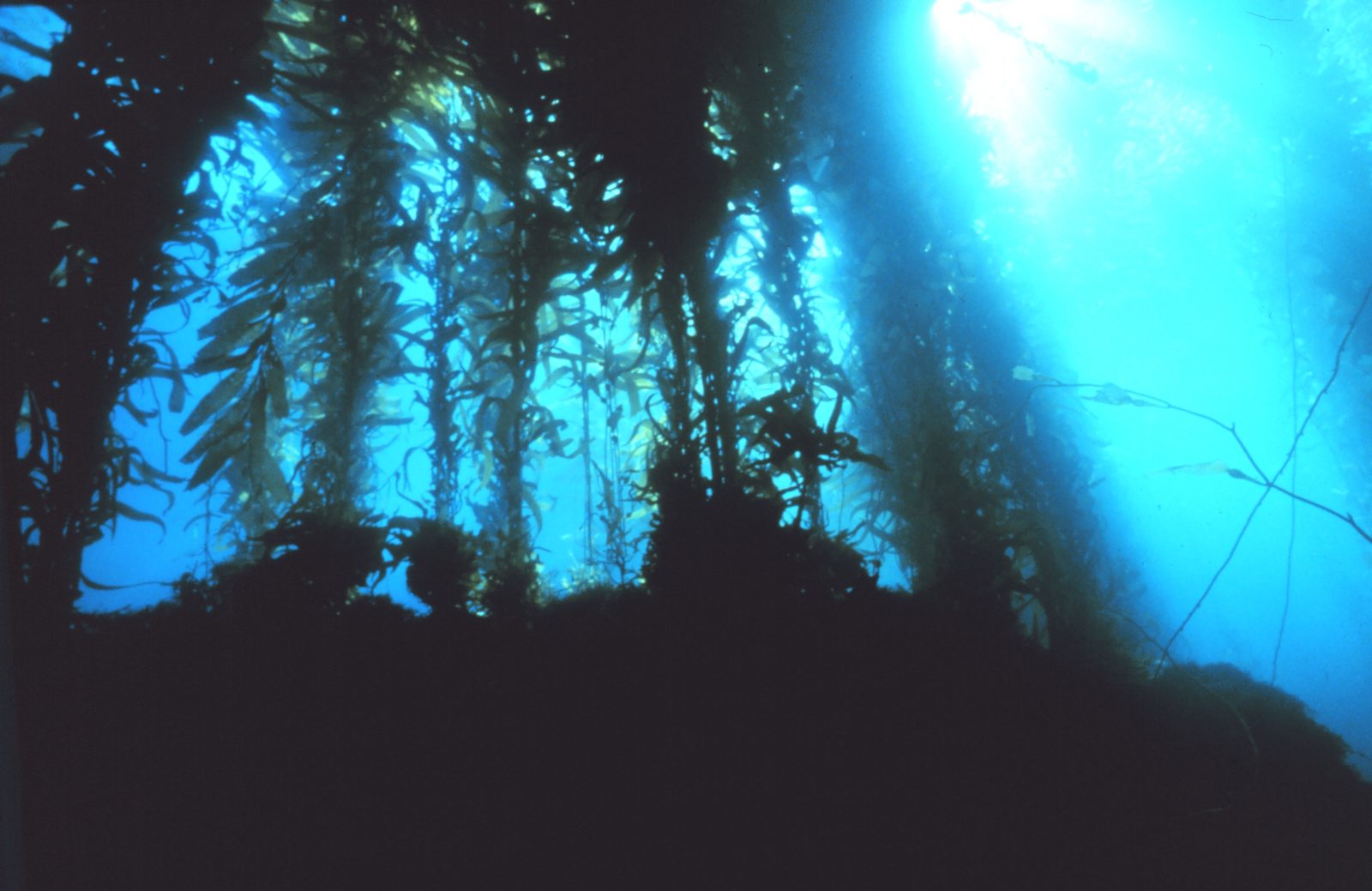
Under the surface, the warmth is already rearranging the local ecosystem. Ecologist Jennifer Smith told a public briefing on October 7 that at the moment "there is not a lot of kelp" left off La Jolla, with water at 50 feet down reaching 70 degrees, and a strong event could remove most of the remaining canopy. Warm-water fish such as tuna typically gain in these years, and the last big event brought surprises inshore as well: surveyors with the CalCOFI program recorded anchovies rebounding from record lows to record highs during the 2014-16 El Niño, and rockfish did well too. NOAA's next diagnostic discussion is scheduled for November 12.
None to date. The Tribune corrects errors promptly and transparently. Read our corrections policy.