Illumina's long road back
The sequencer maker reported $1.159 billion in second-quarter revenue, up 9.5 percent. The GRAIL saga is over. The recovery is not.
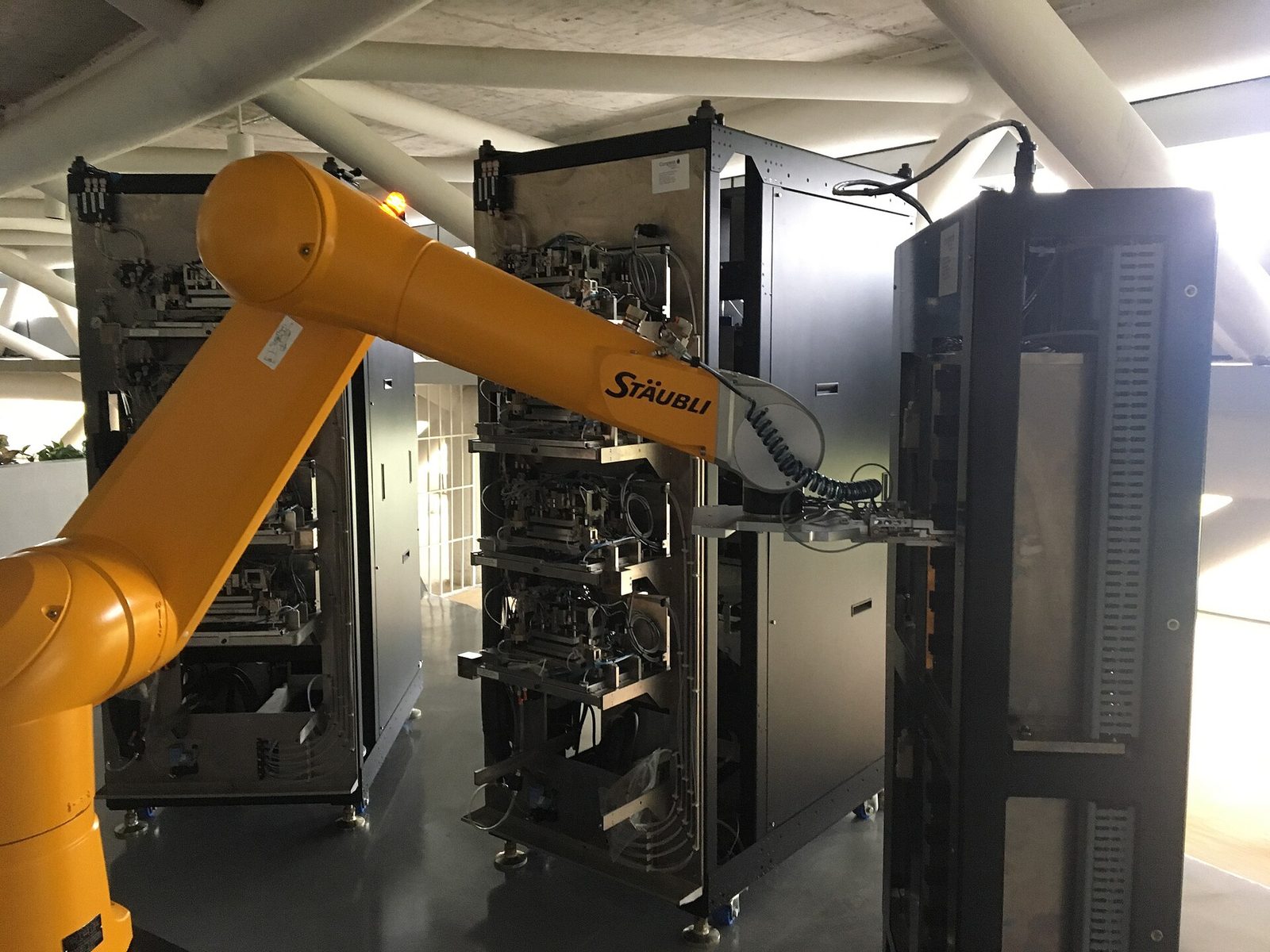
SAN DIEGO: Illumina reported $1.159 billion in second-quarter revenue, up 9.5 percent year over year, a number that would have been unremarkable for the company five years ago and reads as a milestone today. The San Diego sequencer maker spent the better part of this decade in self-inflicted crisis: the $7.1 billion acquisition of the cancer-test company GRAIL, the fight with European regulators, the record 432 million euro fine, the eventual split. GRAIL went its own way in June 2024. In August 2026, Illumina won its court fight over the fine. The saga is over. What comes next is the harder part: proving the core business is growing again.
The product story is the strongest it has been in years. The NovaSeq X Series, the company's flagship high-throughput line, ended fiscal 2025 with an active installed base of 890 instruments, according to the company's own disclosures. The MiSeq i100, the benchtop sequencer unveiled in late 2024 with room-temperature reagents and a simpler workflow aimed at smaller labs, opened the low end of the line. Both lines sell the razors; the blades are the consumables, and consumable pull-through is the metric that will decide whether the recovery is real.
A market still growing into itself
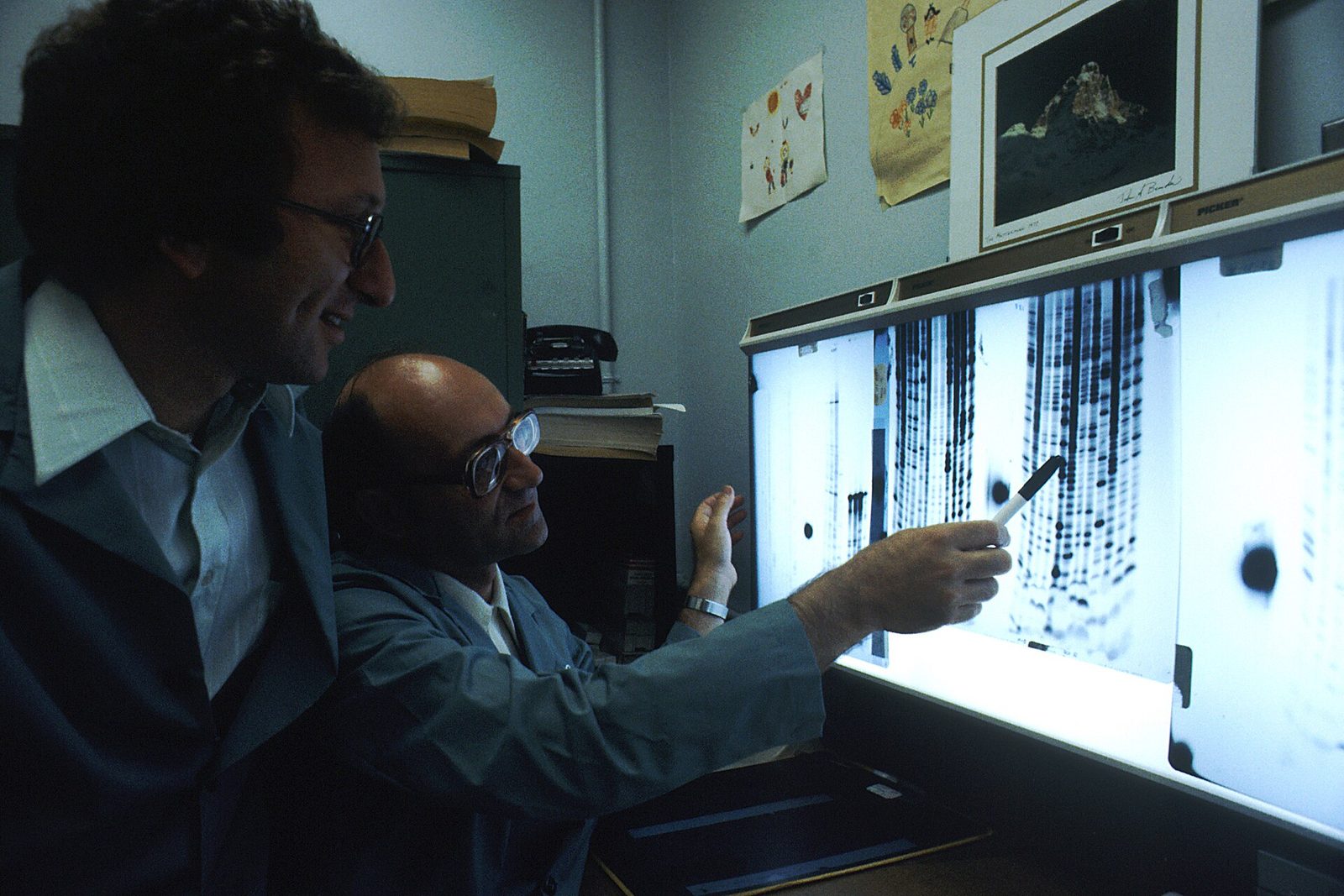
The backdrop helps. Clinical sequencing keeps expanding into oncology profiling, rare-disease diagnosis, and prenatal screening. Illumina still dominates the installed base, and its Torrey Pines campus anchors the San Diego biotech cluster, which grew up around the company's instruments and the talent that knows how to run them.
The long road back is not finished. The company has to convert the X Series installed base into durable consumables revenue, hold off competitors in China and the long-read space, and show that the post-GRAIL Illumina is a growth company rather than a well-managed utility. But for the first time since the GRAIL deal closed, the numbers are pointing the right way, and the distraction is gone.

None to date. The Tribune corrects errors promptly and transparently. Read our corrections policy.
