Holding the bluffs while the railroad plans its exit
SANDAG has spent two decades and five stabilization projects keeping the Del Mar bluffs under the tracks. Phase 5, at roughly $88 million, buys time for the permanent fix: moving the rails off the bluffs entirely.
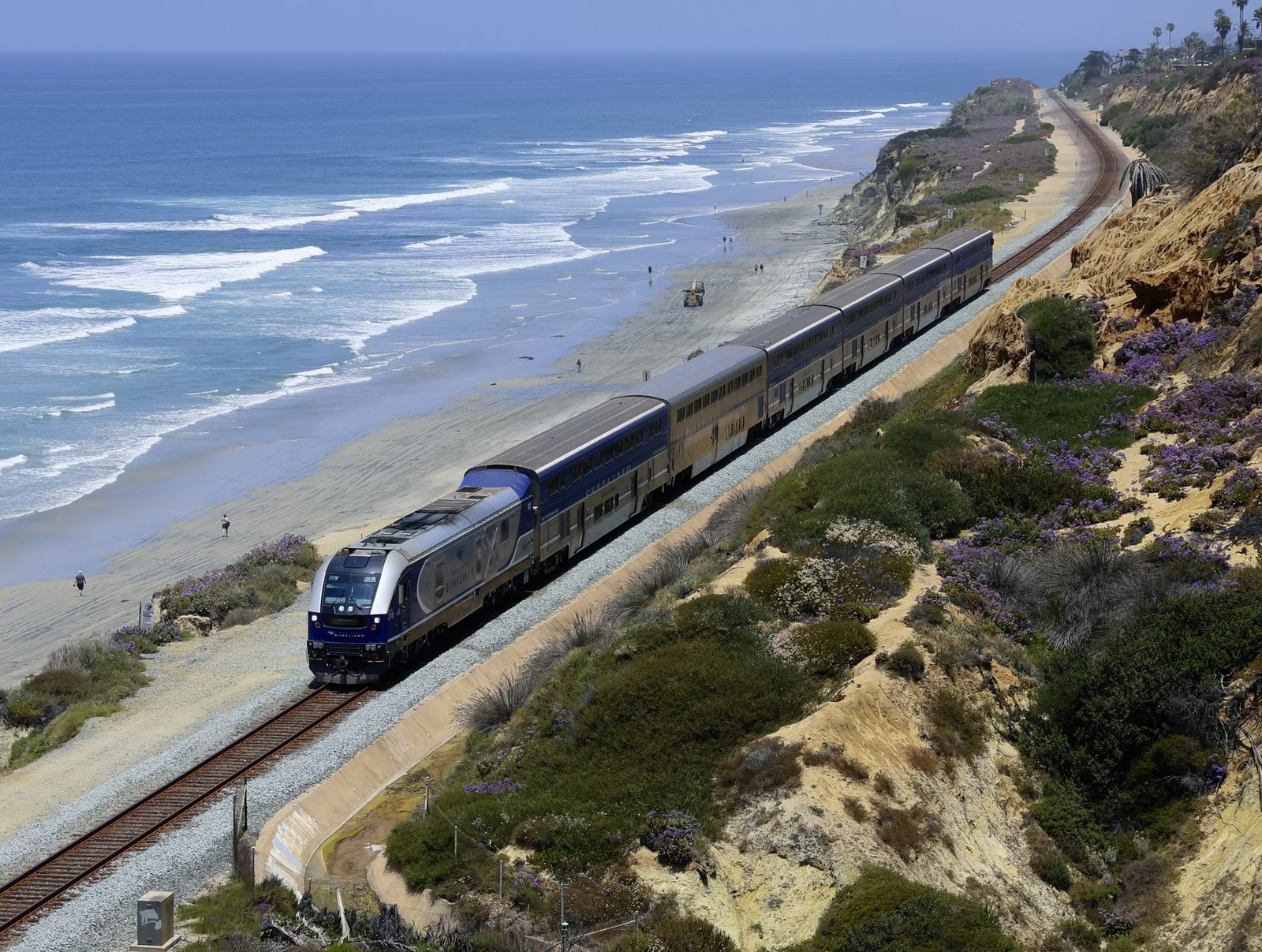
DEL MAR: The most photographed stretch of railroad in San Diego County is also its most precarious. The coastal rail line runs along the top of the Del Mar bluffs, and the bluffs have been losing their fight with the ocean for as long as anyone has kept records. The San Diego Association of Governments has completed five stabilization projects since 2003, installing more than 380 support columns to pin the bluffs in place. Phase 5, the latest, carries a price tag of roughly $88 million.
The stabilization work is explicitly a holding action. The permanent fix is the LOSSAN rail realignment: moving the tracks off the bluffs entirely, so that the railroad no longer depends on geology that is visibly retreating. A tunnel beneath Del Mar is one of the options on the table; SANDAG is evaluating alternative realignment strategies through environmental review as the long-term answer to a problem that stabilization can only postpone.
Why the bluffs matter beyond the view
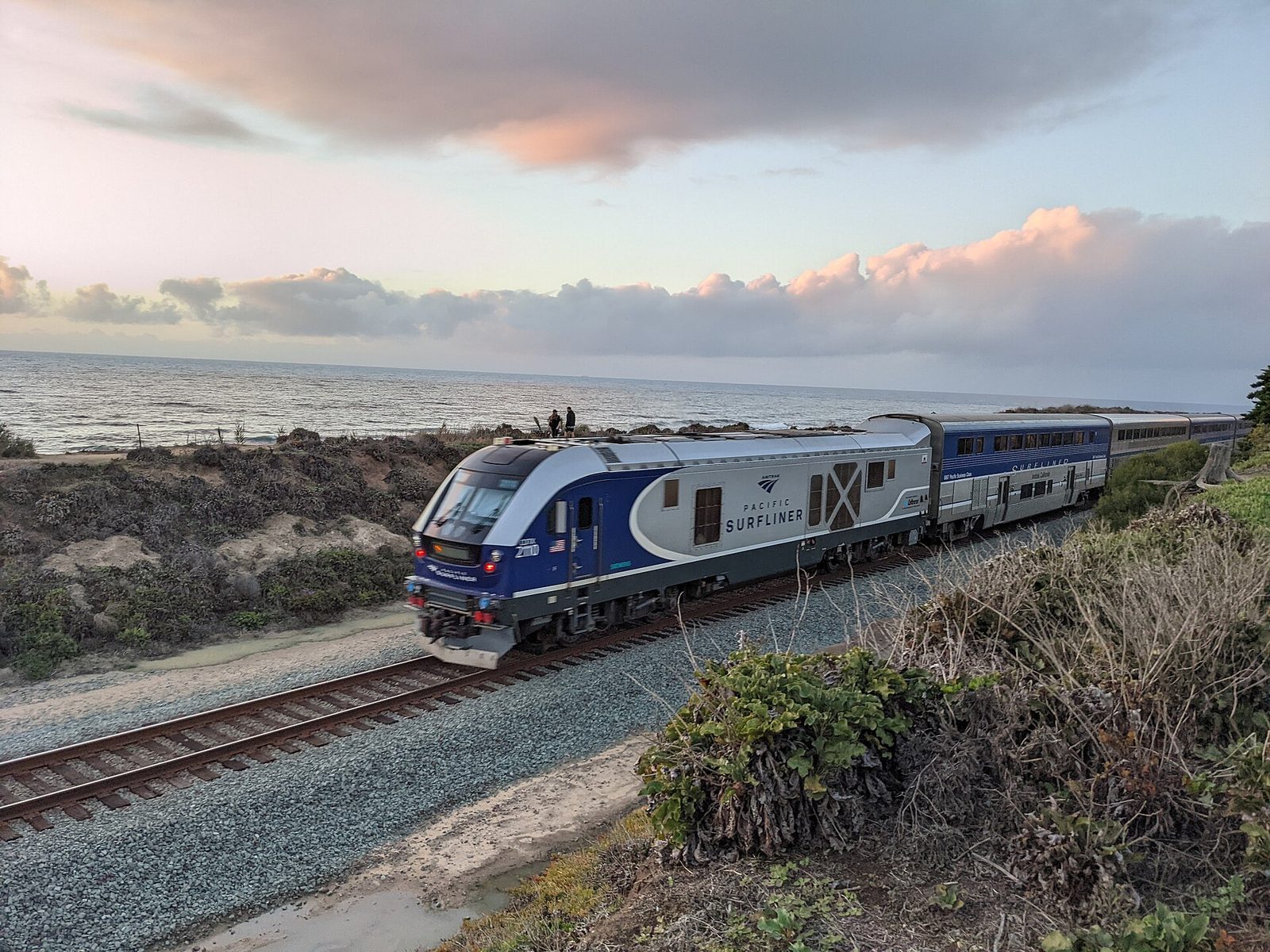
The bluffs carry the region's coastal rail corridor, the line used by Coaster commuter trains, Amtrak's Pacific Surfliner, and freight. Every stabilization phase is priced against the alternative: a bluff failure that severs the corridor and strands the county's north-south rail connection. The $88 million for Phase 5 is, in that light, insurance with a construction crew.
The tension in the project is temporal. Stabilization buys years; the realignment needs decades of planning, funding, and construction. The bluffs do not negotiate. San Diego's bet is that the engineering holds long enough for the permanent fix to make the engineering unnecessary.
None to date. The Tribune corrects errors promptly and transparently. Read our corrections policy.