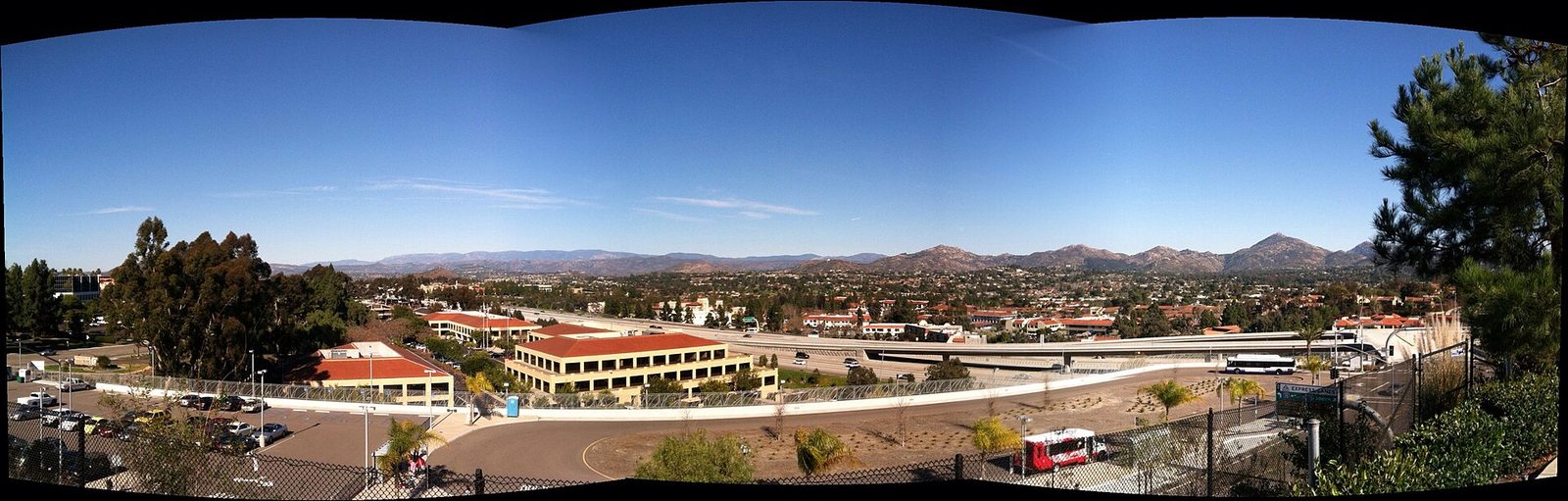
ACLU sues San Diego over license-plate cameras, calling the system mass surveillance
The Partnership for the Advancement of New Americans, represented by the ACLU Foundation of San Diego & Imperial Counties, filed suit Tuesday in San Diego Superior Court against the city and the police department, asking a court to shut down the Flock camera program and delete its data.
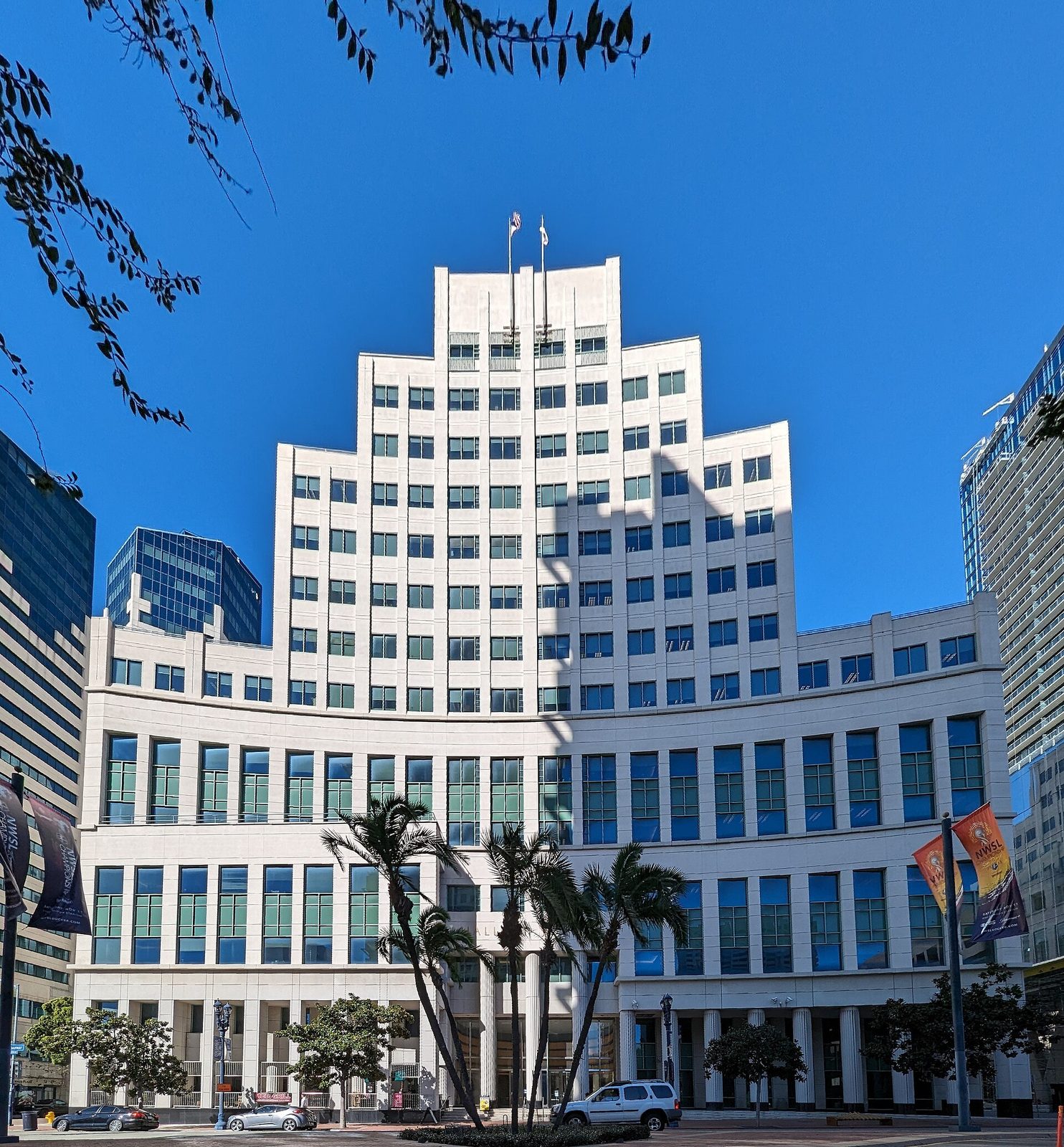
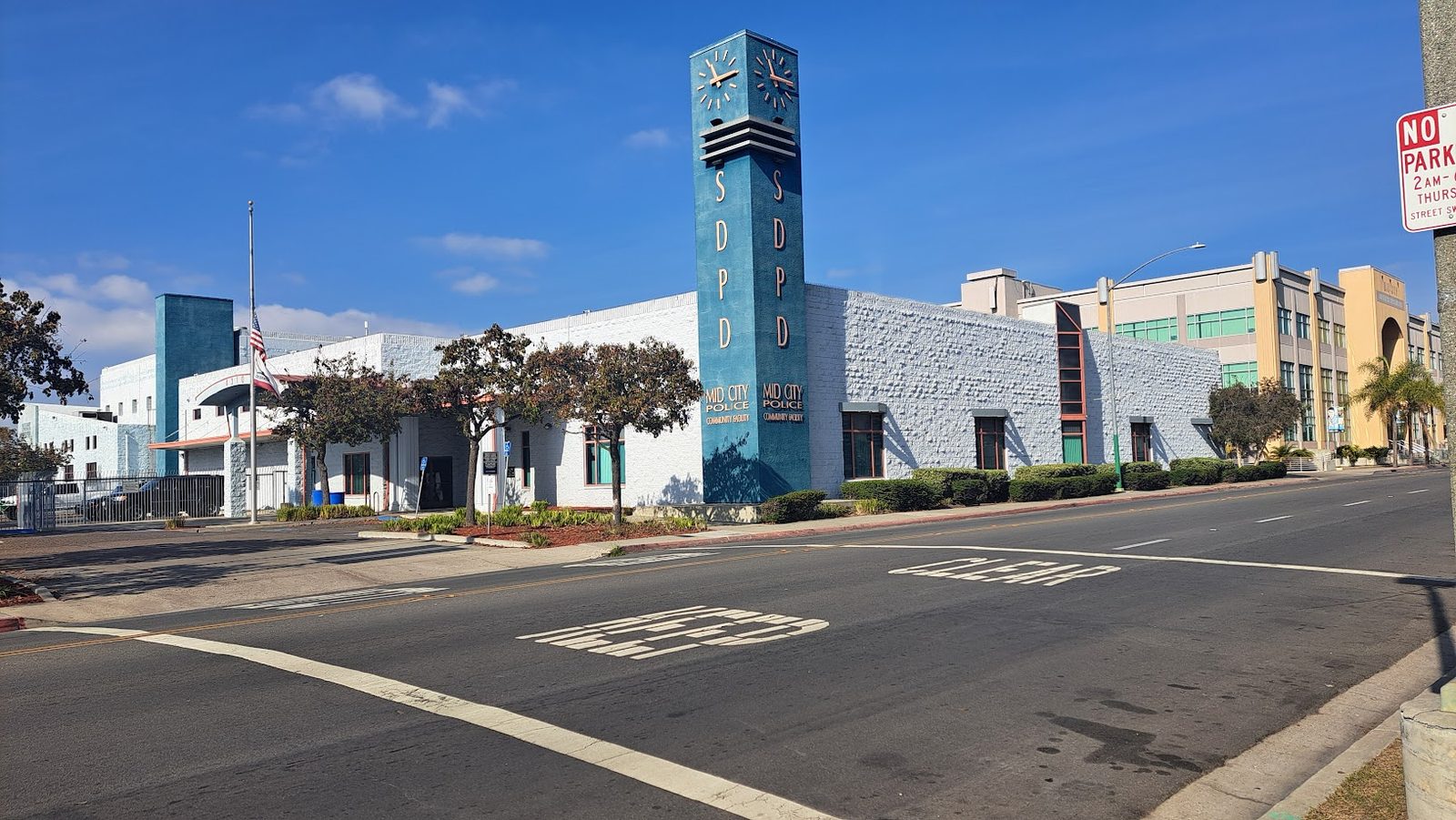
SAN DIEGO: The Partnership for the Advancement of New Americans, represented by the American Civil Liberties Union Foundation of San Diego & Imperial Counties, filed suit Tuesday in San Diego Superior Court against the City of San Diego and the San Diego Police Department over their use of automated license plate reader cameras, asking a court to shut the program down entirely.
The suit demands that the city stop using license plate reader technology, uninstall its Flock Safety and other plate-reading cameras, and delete all data the cameras have collected. The legal theory is that the program violates Article 1 of the California Constitution, which guarantees the people's inalienable right to privacy. According to the ACLU Foundation, the police department collects plate information on millions of San Diego residents and drivers, retains the location data for 30 days, and conducted nearly a quarter million retrospective searches of its database last year.
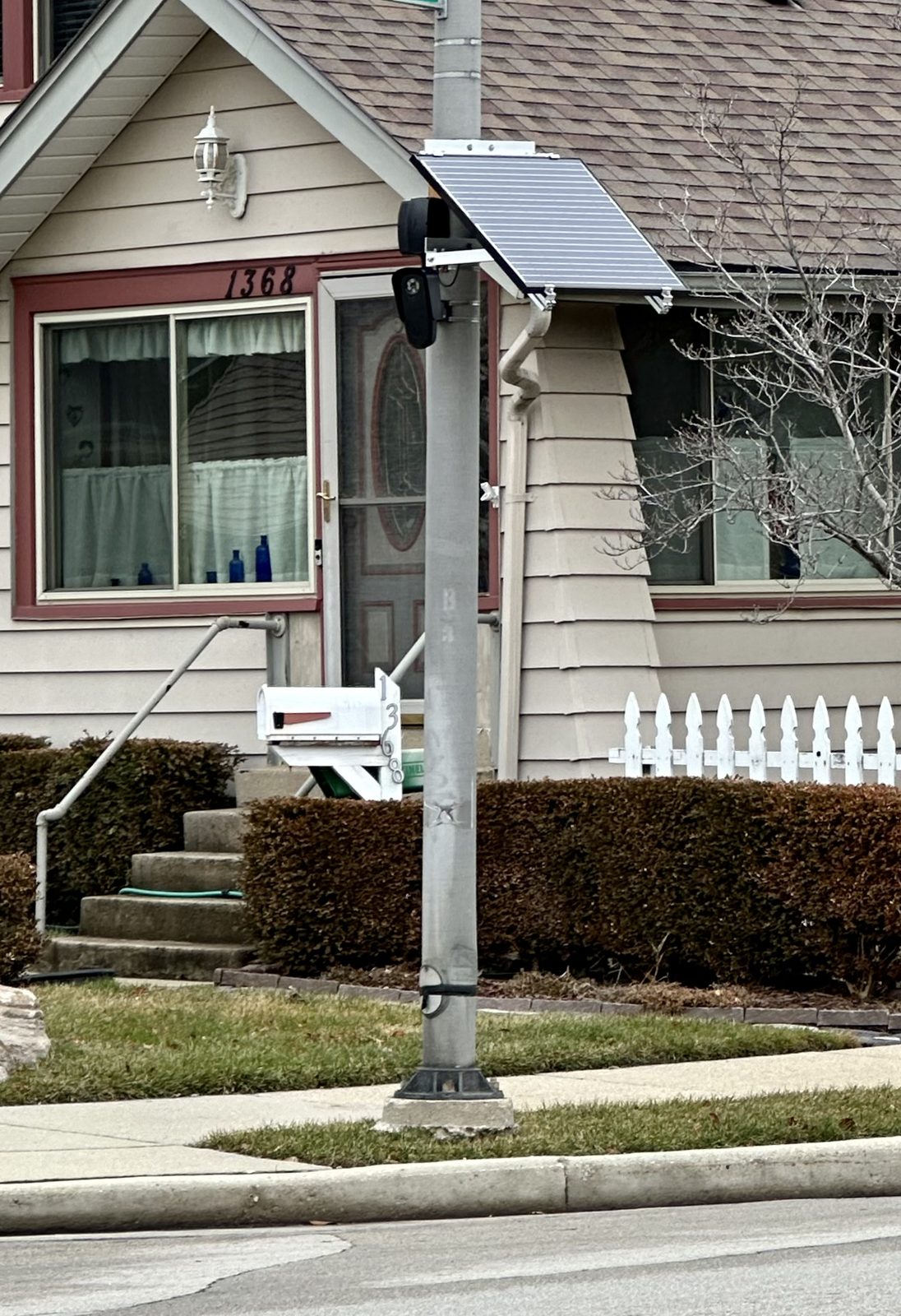
The city's ALPR system is a dangerous tool which can aid this harmful agenda, and we will not concede our constitutional right to privacy, now or ever.
"The City of San Diego and the San Diego Police Department's ALPR system is an invasive, around-the-clock mass surveillance technology that can reveal intimate details of a person's life," said Samantha Itazawa, an advancing justice staff attorney at the ACLU Foundation. "This information can demonstrate travel patterns of individuals as they go to work, drop their children off at school, or attend a house of worship, doctor's office or protest. This widespread collection of ALPR information poses serious threats to communities' privacy and freedom of movement."
The backstory
The department's own surveillance use policy requires all ALPR images and data to be purged within 30 days unless the data is preserved as evidence, and bars sharing the data with out-of-state or federal agencies, including Immigration and Customs Enforcement and Border Patrol, under the state's 2015 plate-reader law.
The cameras were a focal point of this year's budget debate. An initial council motion to strip funding for the ALPR contract failed, and the adopted budget kept the program in place while directing its line item to be de-prioritized and reallocated toward stronger oversight language.
None to date. The Tribune corrects errors promptly and transparently. Read our corrections policy.